Iterative Renaissance
Business success boiled down to a single scientific model: evolution. You don't build a company — you run a chain of experiments and iterate your way to the top, one small change at a time.
Welcome to Iterative Renaissance. Here I boil business success down to one simple scientific model and show you how to execute on it. This matters more than almost anything else you will learn.
Iteration, explained
Iteration means gradual change over time. Your progress in business will be gradual. It is not going to be overnight or sudden. The only way to make real progress and win is to iterate.
Almost everything you admire is the product of iteration:
- Democracy
- The iPhone
- Homo sapiens (us)
- Cars
- Modern medicine
- …and basically everything else.
So what is it, and how does it actually work? To understand it and apply it to business, we have to look at the most powerful iterative process on the planet: evolution. This is going to be an abstract ride — bear with me, it all pays off.
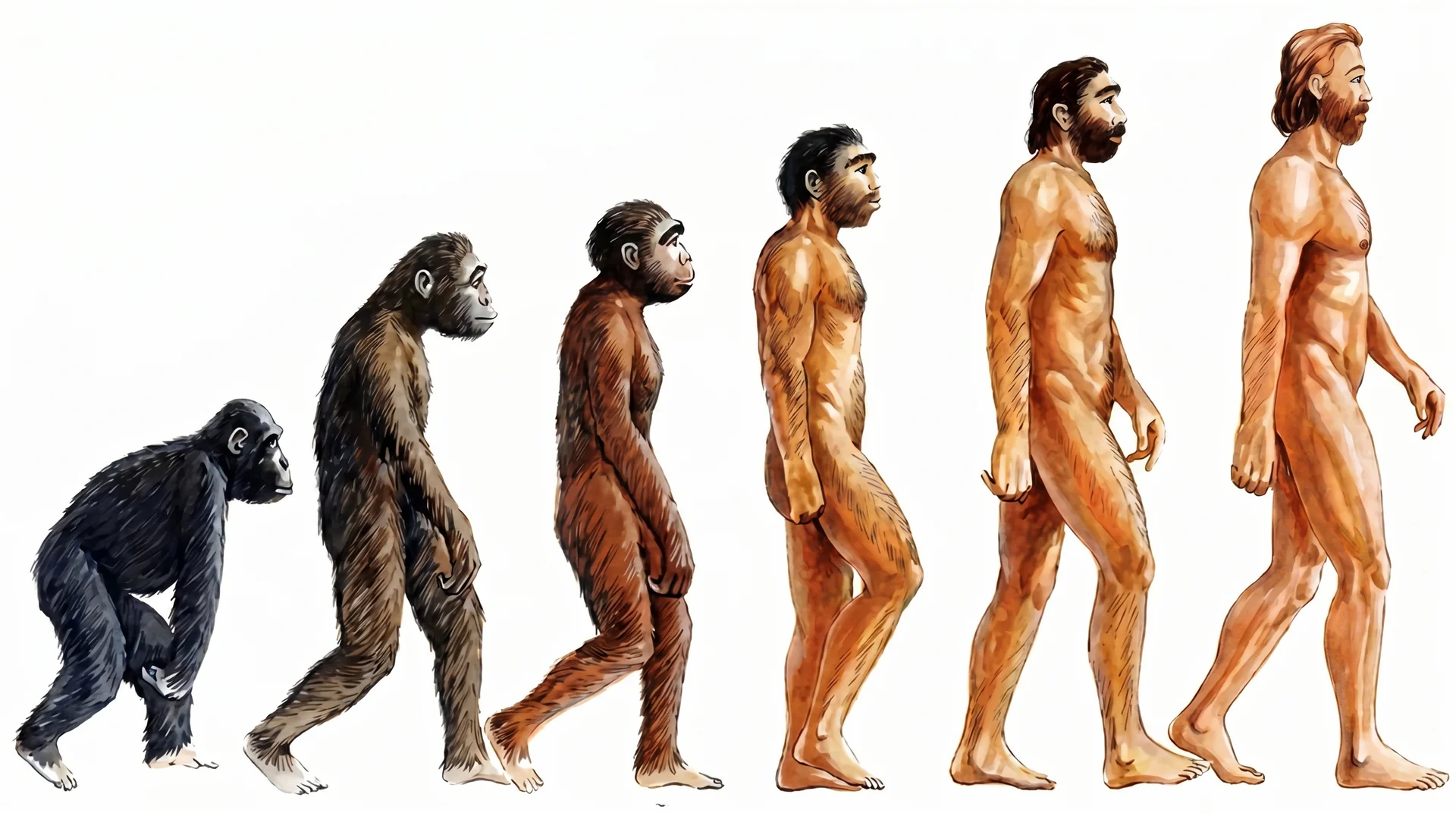
Modelling evolution
In biology, evolution is the force that drives organisms to adapt to their environment and change, generation to generation, over time. You know it as Natural Selection. In a nutshell:
- Organisms of a species exist in an environment.
- They have different traits — this is variation.
- Traits are physical characteristics determined by genes (genotype).
- Some traits are better adapted to the environment than others.
- Better-adapted organisms are more likely to survive.
- Survivors are more likely to reproduce — their fitness.
- The traits that aid survival get passed to the offspring.
- Repeat — across thousands of generations.
Stated as a chain, each step creates the next:
  ╔══════════════════════════════════════╗
  ║  Environment  (sets the conditions)  ║
  ╚══════════════════════════════════════╝
                      │
                      ▼
  ┌──────────────────────────────────────┐
  │     Variation  (random mutation)     │
  └──────────────────────────────────────┘
                      │
                      ▼
  ┌──────────────────────────────────────┐
  │          Genotype  (the DNA)         │
  └──────────────────────────────────────┘
                      │
                      ▼
  ┌──────────────────────────────────────┐
  │       Traits  (characteristics)      │
  └──────────────────────────────────────┘
                      │
                      ▼
  ┌──────────────────────────────────────┐
  │   Adaptability  (suits environment)  │
  └──────────────────────────────────────┘
                      │
                      ▼
  ┌──────────────────────────────────────┐
  │          Fitness  (survives)         │
  └──────────────────────────────────────┘
                      │
                      ▼
  ┌──────────────────────────────────────┐
  │       Reproduction  (offspring)      │
  └──────────────────────────────────────┘
                      │
                      ▼
  ┌──────────────────────────────────────┐
  │  Iteration  (small positive change)  │
  └──────────────────────────────────────┘
                      │
                      ▼
  ╔══════════════════════════════════════╗
  ║               EVOLUTION              ║
╚══════════════════════════════════════╝DNA
DNA is a molecule that carries the genetic information for building and running an organism — a string of information, passed from one generation to the next through reproduction. That DNA codes for traits: eye colour, height, bone structure, predisposition to certain diseases.
When a male and a female reproduce, their DNA combines and randomly mutates. The offspring is similar to, but slightly different from, its parents. That is variation — the reason no two organisms of a species are identical, and the raw material evolution works with. Think of an organism as components, made of smaller components, made of smaller ones still — all the way down to the information that codes for them.
Applied evolutionary biology
Now put it to use. Learn to see your business as a living organism — with DNA, traits, and variation. The mapping is exact:
- Environment → the market (niche, competitors).
- Variation → new ideas, new tests.
- Genotype (DNA) → the information behind every variable in your business.
- Traits → the characteristics of your business (great product, weak support).
- Adaptability → your business fitting the market and growing.
- Fitness → your business making money.
- Reproduction → competitors copying your traits.
- Iteration → the gradual, positive change of your business over time.
Businesses live in a market. They carry different traits — products, marketing, teams. Better-adapted businesses survive and profit; profitable traits get copied; new businesses vary from the ones before them; repeat. That is literally the process underneath everything. Here is the business as an organism, broken into its variables:
                                     ┌───────────────┐
                                     │  BUSINESS v1  │
                                     └───────────────┘
           [ NICHE ]                         │                        [ PROBLEM ]
         ┌───────────┬───────────┬───────────┬───────────┬───────────┬───────────┐
         │           │           │           │           │           │           │
    ┌─────────┐ ┌─────────┐ ╔═════════╗ ┌─────────┐ ┌─────────┐ ┌─────────┐ ┌─────────┐
Lv.1│  Avatar │ │  Offer  │ ║ Outbound║ │ Content │ │  Sales  │ │ Solution│ │ Identity│
    └─────────┘ └─────────┘ ╚═════════╝ └─────────┘ └─────────┘ └─────────┘ └─────────┘
                                 │
                 ┌───────────────┼───────────────┐
                 │               │               │
          ┌────────────┐  ╔════════════╗  ┌────────────┐
Lv.2      │ Cold Email │  ║  Cold Call ║  │  Conv. Msg │
          └────────────┘  ╚════════════╝  └────────────┘
                                 │
Lv.3                 gatekeeper · hook · pitch

    DNA (information) · critical information variants
    ░░▒▒▓▓░░▒▒▓▓░░▒▒▓▓░░▒▒▓▓░░▒▒▓▓░░▒▒▓▓░░▒▒▓▓░░▒▒▓▓░░▒▒▓▓░░▒▒▓▓░░▒▒▓▓░░▒▒▓▓░░▒▒▓▓░░▒▒▓
DNA ▒▒▓▓░░▒▒▓▓░░▒▒▓▓░░▒▒▓▓░░▒▒▓▓░░▒▒▓▓░░▒▒▓▓░░▒▒▓▓░░▒▒▓▓░░▒▒▓▓░░▒▒▓▓░░▒▒▓▓░░▒▒▓▓░░▒▒▓▓░
    ▓▓░░▒▒▓▓░░▒▒▓▓░░▒▒▓▓░░▒▒▓▓░░▒▒▓▓░░▒▒▓▓░░▒▒▓▓░░▒▒▓▓░░▒▒▓▓░░▒▒▓▓░░▒▒▓▓░░▒▒▓▓░░▒▒▓▓░░▒
The good news: by following a proven system, your v1is somebody else's v67. You skip the testing and the pain by starting from variables that already work. Your first Avatar might already look like their v24.
The scientific method
So how do you find the level-3 variables that actually get results? You learn to think like a scientist. Instead of trying to build a company, imagine you are running a series of experiments. That iterative loop is the scientific method:
- Formulate a hypothesis.
- Test it against the market.
- Observe the results.
- Formulate a new hypothesis — iterate the old one.
I wrote the full playbook for this loop separately — read The Scientific Method (Business Edition) for the eighteen rules.
v1 is your first complete hypothesis — the first version of your business after training. It will not be perfect, and that does not matter. With enough feedback you edge toward perfection. v(X) is the version number you reach when you hit your goal — maybe v17, maybe v98, depending on where you start. It is a race, but an unfair one: some people start at the 90-metre line, others at the 10. The work is the same. You climb one version at a time.
                                                  ★
                                                  ▲
                                                 v(X)
                                                ┌───
                                            ┌───│
                                        ┌───│   │
                                 v8 ┌───│   │   │
                                ┌───│   │   │   │
                            ┌───│   │   │   │   │
                        ┌───│   │   │   │   │   │
                 v4 ┌───│   │   │   │   │   │   │
             v3 ┌───│   │   │   │   │   │   │   │
         v2 ┌───│   │   │   │   │   │   │   │   │
   ● v1 ┌───│   │   │   │   │   │   │   │   │   │
    ┌───│   │   │   │   │   │   │   │   │   │   │
    │   │   │   │   │   │   │   │   │   │   │   │
    ▁▁▁▁▁▁▁▁▁▁▁▁▁▁▁▁▁▁▁▁▁▁▁▁▁▁▁▁▁▁▁▁▁▁▁▁▁▁▁▁▁▁▁▁▁▁▁▁
Macro vs micro iteration
Macro is the big thing; micro is a component of it. Universe, galaxy, solar system, planet, country, county — each is the macro of the next one down. To change the macro, you must change its micro. Winning a war is just winning battles.
The level-1 DNA string of your business looks like this:
That string is v1 of your business. To grow, you iterate one variable — say Sales — to get a new string:
That is v2 of the business — hopefully better than v1. But to iterate a level-1 variable, you iterate a level-2 variable inside it. Sales v1 is itself made of Script v1 · Objections v1 · PreCall v1. And to change the script, you drop to level 3:
Change the pitch → new script → new Sales → new business version. To change a level-3 variable you must seek and apply new critical information. That is how a business moves forward: one small piece at a time. You can work on several parts of the macro at once — content and product together is fine — as long as you do not interfere with a single localised experiment while it is running.
Iterating towards the goal
Your business should have one overarching goal, usually financial — say $100k/mo. That is the macro goal, your North Star. It is made of micro goals — conversion rates, booking rates, view counts — each of which needs its own version to hit. Win enough battles and you win the war. Your goal does not really exist; neither does your “business.” They are collective nouns for all the small parts that make them.
Achieving the big goal is just achieving lots of small ones, one at a time. Compartmentalise, line the wins up in a hypothesis string, and you have a successful business. The only catch is time — years of it. The only way to eat an elephant is one chunk at a time.
Measuring experimental outcomes
How do you know a new hypothesis is working? Picture three positions: where you are now (baseline, your current v1), where you want to be (goal), and where you don't (hell, below baseline). Moving toward the goal is progression; sliding toward hell is regression.
Goal                                 ★
                                     ▲
                                     │
                                     │
Progress                             │ PROGRESS
                                     │
                                  ╔════╗
                                  ║ v2 ║
Baseline    ■─────────────────────╚════╝────────────────────■
                                     │
                                     │
                                     │
Regress                              │ REGRESS
                                     │
                                     ▼
Hell                                 ▽ HELL
Introduce v2. It either progresses, regresses, or stays flat. If it progresses, it is better than v1, so you lock it in as the new baseline and build v3 from there. Most hypotheses fail and regress — that is the entire point of an experiment. When v3 turns out worse than v2, you revert to v2 and try again. Always test from the newest high-water mark.
Progress is never a straight line. It looks like this:
  ▲
  │ progress
  │                                                         │[ v12 ] ★
  │                                                         │
  │                                                    │[ v11 ]
  │                                                    │
  │                      │[ v5 ]─            │[ v9 ]─  │
  │                      │    │    │[ v7 ]─  │    │    │
  │       │[ v2 ]─       │    │    │    │    │    │    │
  │   ╔════╗   │         │    │    │    │    │    │[ v10 ]
  │   ║ v1 ║─  │         │    │    │    │    │
  ├───╚════╝─────────────────────────────[ v8 ]──────────────────────
  │            │         │    │[ v6 ]─
  │            │[ v3 ]─  │
  │                 │[ v4 ]─
  │
  │
  │
  │
  │
  │ regress
  ▼
Metrics
Your body is a system made of systems, and you can read whether the whole thing is alive with one number: heart rate. That is a primary metric — a vital. Each sub-system has its own metric too: bone density, respiration rate, microbiome diversity. If one fails, you die.
Approach business like a doctor approaches a patient. The vital of a consulting business is profitability. Each system underneath has its own KPI:
- Product → refund rate (target < 5%).
- Ads → return on ad spend (ROAS).
- Cold email → appointment booking rate (ABR).
- Sales → sales conversion rate (SCR).
A KPI tells you whether a system is performing — heart rate ~60-70 bpm, refund rate under 5%. Without metrics, you are operating on vibes.
Asymmetry
There are infinite experiments you could run, so which ones, and when? Focus on asymmetries — the few actions that move the needle the most. Twenty hours building a fancy website moves you barely at all. Twenty hours cold calling might book 40 appointments → 6 clients at $5,000 → $30k. Same time in, wildly different output. The second is asymmetrical: small input, big output.
You cannot improve the whole business at once. Isolate the one thing that, if fixed, moves you toward the goal fastest, and focus there. The asymmetry usually hides in one of three places: appointment booking, sales, or value delivery— and in that order, because you can't run sales experiments without appointments, or delivery experiments without clients. At any moment there is ONE thing that, nailed, pushes you 80% of the way. Find it, fix it, move on.
Variation
Information is the bedrock of a business — it is what changes the level-3 variables that ripple up to everything else. The quality of your information sets the ceiling on the quality of your business, and variation of information is the whole game. Your experiments can only be as good as the information feeding them. Without variation, species die and businesses fail.
My best systems were never copy-pasted. They are the result of relentless iteration of random variables. When you are snookered, phone a friend — and that friend is randomness. Open a random book to a random page, pick a line, and ask how it applies to your business. Learn from nature. You never know what you will find.
If at first you don't succeed, iterate — then try, and try again.